If your washing machine won’t drain, one possible issue could be a clogged drain pump filter. Here’s how you can try to fix it:
- Locate the drain pump filter. This is usually located behind a small access panel on the front of the washing machine, or it may be located underneath the machine. Refer to your owner’s manual for the exact location.
- Once you have located the drain pump filter, remove it from the machine. You may need to use a small screwdriver or a coin to unlock the filter cover.
- Clean out the drain pump filter. Use a small brush or toothbrush to remove any debris or lint that may be blocking the filter. If the filter is severely clogged, you may need to use a pair of pliers to remove the debris.
- Rinse the filter thoroughly with water and replace it in the washing machine. Make sure it is securely in place.
- Close the access panel and run a test load of laundry to see if the issue has been resolved. If the machine still won’t drain, there may be another issue that needs to be addressed.
It’s always a good idea to refer to your owner’s manual and follow all safety precautions when working on your washing machine. If you are not comfortable performing this task or if it does not resolve the issue, it’s best to contact a professional appliance repair service for further assistance.
How do I know if my washing machine filter is blocked?
There are a few signs that may indicate that your washing machine filter is blocked:
- The washing machine won’t drain: If water is not draining from your machine, it could be because the filter is clogged, preventing the water from flowing through.
- The washing machine is making unusual noises: A clogged filter can cause the washing machine’s pump to work harder, which may result in unusual noises.
- The washing machine is vibrating excessively: A clogged filter can cause an imbalance in the machine, which can result in excessive vibrations during the wash cycle.
- The washing machine is not cleaning clothes effectively: If your clothes are not coming out as clean as they should, it could be because the filter is clogged and not allowing the detergent and water to circulate properly.
To check if your washing machine filter is blocked, you will need to locate the filter and remove it from the machine. Use a small brush or toothbrush to clean any debris or lint from the filter. If the filter is severely clogged, you may need to use a pair of pliers to remove the debris. If the filter is clean and the machine is still experiencing issues, there may be another issue that needs to be addressed.
Where is the pump filter trap on a washing machine?
The location of the drain pump filter on a washing machine can vary depending on the make and model of the machine. In general, it is usually located behind a small access panel on the front of the washing machine, or it may be located underneath the machine. Some washing machines have the filter located on the back of the machine, behind a panel near the bottom.
To find the drain pump filter on your washing machine, you will need to refer to the owner’s manual for your specific model. The manual should have a diagram showing the location of the filter and instructions on how to access it.
If you are unable to locate the drain pump filter or if you are not comfortable attempting to access it, it’s best to contact a professional appliance repair service for assistance.
Do top load washers have drain pump filters?
Yes, many top-loading washing machines have drain pump filters. The drain pump filter is a small screen or mesh that is designed to prevent debris and lint from entering the drain pump and clogging the drain hose. It is usually located behind a small access panel on the front of the washing machine, or it may be located underneath the machine.
To find the drain pump filter on a top-loading washing machine, you will need to refer to the owner’s manual for your specific model. The manual should have a diagram showing the location of the filter and instructions on how to access it.
If you are unable to locate the drain pump filter or if you are not comfortable attempting to access it, it’s best to contact a professional appliance repair service for assistance.
How do I clean the pump filter on my top load washer?
To clean the drain pump filter on a top-loading washing machine, follow these steps:
- Locate the drain pump filter. This is usually located behind a small access panel on the front of the washing machine, or it may be located underneath the machine. Refer to your owner’s manual for the exact location.
- Once you have located the drain pump filter, remove it from the machine. You may need to use a small screwdriver or a coin to unlock the filter cover.
- Clean out the drain pump filter. Use a small brush or toothbrush to remove any debris or lint that may be blocking the filter. If the filter is severely clogged, you may need to use a pair of pliers to remove the debris.
- Rinse the filter thoroughly with water and replace it in the washing machine. Make sure it is securely in place.
- Close the access panel and run a test load of laundry to see if the issue has been resolved. If the machine still won’t drain, there may be another issue that needs to be addressed.
It’s always a good idea to refer to your owner’s manual and follow all safety precautions when working on your washing machine. If you are not comfortable performing this task or if it does not resolve the issue, it’s best to contact a professional appliance repair service for further assistance.
How often do you need to clean a drain pump filter?
The frequency with which you should clean the drain pump filter on your washing machine will depend on a few factors, including the type of detergent you use and the amount of lint and debris that your machine processes. In general, it is a good idea to clean the filter at least once every few months.
If you notice that your washing machine is not draining properly or if it is making unusual noises, it may be a good idea to check and clean the filter sooner. You should also check and clean the filter if you notice that your clothes are not coming out as clean as they should be.
To clean the drain pump filter, you will need to locate the filter and remove it from the machine. Use a small brush or toothbrush to remove any debris or lint that may be blocking the filter. If the filter is severely clogged, you may need to use a pair of pliers to remove the debris. Rinse the filter thoroughly with water and replace it in the washing machine.
It’s always a good idea to refer to your owner’s manual and follow all safety precautions when working on your washing machine. If you are not comfortable performing this task or if it does not resolve the issue, it’s best to contact a professional appliance repair service for further assistance.
Other reasons for washing machine not draining?
There are several other potential reasons why a washing machine may not drain properly:
- Clogged drain hose: The drain hose can become clogged with debris or lint, preventing water from flowing through.
- Failed drain pump: If the drain pump has failed, it may be unable to pump water out of the machine.
- Broken or kinked drain hose: If the drain hose is broken or kinked, it may be preventing water from flowing out of the machine.
- Failed water level switch: The water level switch is responsible for controlling the water level in the washing machine. If it has failed, the machine may not be able to drain properly.
- Failed control board: The control board is responsible for controlling the various functions of the washing machine. If it has failed, the machine may not be able to drain properly.
If you are experiencing issues with your washing machine not draining properly, it’s best to try to identify the root cause of the problem. If you are unable to do so or if you are not comfortable attempting to diagnose the issue, it’s best to contact a professional appliance repair service for further assistance.
How to resolve washier drain and pump problems
Getting the washer to drain properly is an important function of a washing machine. If your washing machine does not drain, then there are a number of things you can check. There are also a few ways to fix the problem without having to replace the washer.
A common problem is a clogged drain hose. This can interfere with the flow of water in the washer and cause it to stop draining. It is important to clean the hose with hot water and detergent. When cleaning the hose, be careful not to twist it or pinch it. Afterward, the hose must be reattached to the drain pipe.
Another common problem is a broken water level control. A broken water level control may be preventing the pump from working. An electronic fault, or a mechanical failure, can also cause the drain to stop.
A good way to resolve the problem is to remove the washer from its place and check the drain hose. Be sure to unplug the washer and the faucet from the wall before performing this task. You can use a Phillips head screwdriver to loosen the clamp that holds the drain hose.
Depending on the model of your washer, you should have a drain hose that connects to a nearby drain. The hose will carry dirty water out of the house when the unit is draining. However, if the hose is kinked, it can be twisted or pinched, which can prevent the washer from draining.
In addition, a drain hose can be clogged with foreign objects. To clear a clog, you can either flush it out with a solution of detergent and warm water, or squeezing the tube will work.
Performing a manual spin cycle can also help you identify the problem. If you are able to spin the washer, but it doesn’t drain, you will need to check the pump. Using a multimeter, you can check for motor continuity.
Lastly, a worn out belt is another common cause of a washer that doesn’t drain. A worn belt will not be able to drive the pump.
Cleaning the drain pump filter on the washer
If your washing machine isn’t draining well, the first thing you should do is clean the drain pump filter. This small device collects the lint, threads, and other debris from the washer’s drain hose, keeping them out of the pump. Clogged filters can prevent your washing machine from scrubbing clean and leaving your laundry looking nice.
Usually, there are two types of clogs. One is caused by tissue, paperclips, and other foreign objects. The other is caused by an obstructed drain hose. By cleaning the drain pump filter, you’ll be able to restore the flow of water in your washing machine.
To clean the drain pump, you’ll need to remove the drain hose from the washer and then unplug the power from the wall. You should also check the hose for any kinks or other obstructions. After you’ve loosened any kinks, it’s time to disconnect the hose from the washing machine and rinse it with hot water.
Putting a bucket under the connection of the drain hose is a good way to empty it out. Once you’ve emptied it, you can replace the hose with a new one. Depending on your model, you may need to open up the front or back of the washing machine to get to the drain hose.
Another useful tip is to install a coin trap. These devices capture coins and other items that can clog the washer’s drain. Clean the trap with soap and water to ensure that your coins stay secure.
Using a multimeter, you can test your machine’s drainage system for obstructions. This should be done at least once a year.
Other useful tips include setting reminders to clean the drain pump filter, replacing the hose, and unplugging the water supply. These small steps will keep your machine running smoothly. But if your machine doesn’t drain, call a professional for help. Most problems can be fixed by a licensed plumber.
A clogged drain isn’t fun, but it can’t be fixed by simply putting more detergent in the wash. For a quick and easy solution, clean the drain pump filter.
Access the filter
If your washing machine has trouble draining, you may need to access the filter. The filter, which is located in different locations on front-loading and top-loading washers, collects small objects, lint, and threads. These items can get caught up and block the drain pump.
Washing machines have an access panel in the bottom left corner of the front of the washer. You will need to unscrew the lower panel in order to access the filter. This can be a messy process because you will need to clean the inside of the washer.
GE, LG, and Electrolux washers have lid switches. When the lid is closed, it tells the washer to stop the cycle. If the switch is faulty, the machine will not drain. You can test it by running a regular cycle to ensure that it does not fail.
GE, LG, and Electrolux washing machines have a coin trap that is part of the drain pump. It is easy to remove. However, it can be a serious problem if debris gets stuck in it. That’s because it can also prevent the pump from functioning properly.
A clogged drain hose is another reason your washer won’t drain. You can remove the kink or clog from the hose, or you can replace it.
If you don’t know how to access the filter, you might need to call a repair technician. An appliance repair service can help you figure out how to access your filter and get your washer up and running again. Taking care of your filter periodically can help keep your washer running smoothly.
Some front-loading washers have a hose that goes to the drain pipe in the wall. Make sure that you unplug the hose before you remove it. You may need to disconnect the recirculation pump in order to remove the hose.
Top-loading models are more accessible. You can easily access the filter by removing the top panel and filter. Once you have removed the top panel, you will have access to the switch and a shallow bowl under the filter cap.
Using a multimeter, you can test the switch to see if it is working. If the switch is not functioning, the washer will not drain.
Clean the filter and seal
Keeping your washing machine clean and sealing it properly can be essential in maintaining the machine’s performance. There are several ways to do this. Some models are equipped with coin traps and have a self-cleaning filter. These features will help prevent clogging. But even if your washer isn’t equipped with these features, there are still some things you can do to help keep it running smoothly.
If your washing machine isn’t draining, you may want to consider cleaning the filter. Lint and threads can build up on your filter, which can block the machine from draining. You can remove the filter and clean it by turning it counter-clockwise.
Depending on the model, the filter is attached to the washing machine or is located inside an access cap. A cleaning cloth or an all-purpose cleaner may be enough to clean the filter and keep it free of lint. However, it’s usually a good idea to have a professional do the work if you’re not a handyperson.
Clean the filter and seal a washer that won’t drain is a small task, but it is one that you should consider if your machine isn’t doing its job. To get started, you’ll need to shut off the water supply, unplug the power from the wall, and remove the hose.
When you’re ready to clean the filter and seal a washer that won’t flow, you’ll want to take your time and use the correct techniques. You can try cleaning the filter with a brush or by inserting it under a tap.
You’ll also need to make sure you’re not bending the drain hose. Bending the hose can cause the washer to not drain. The hose itself can be cleaned by soaking it in hot water.
When you’re done, reattach the hose and re-test the washer. After you’ve determined that you’ve fixed the problem, you should have the machine draining correctly. And, if the washer isn’t draining at all, it’s probably time to replace the filter.
Cleaning the filter and sealing a washer that won’t drain is one of the easiest ways to keep your washing machine running properly. In fact, you should do it regularly.
Check below to find out if your area is included in the list of cities that fall within our service area in Broward County Florida:
Weston, Tamarac, Plantation, Sunrise, Pompano Beach, Oakland Park, North Lauderdale, Pembroke Pines, Parkland, Margate, Miramar, Fort Lauderdale, Deerfield Beach, Lauderdale Lakes, Hollywood, Lighthouse Point, Lauderhill, Dania, Coral Springs, Hallandale, Davie, Cooper City, Coconut Creek
The post How To Fix Washer That Won’t Drain By Cleaning The Drain Pump Filter first appeared on Appliance Repair Fort Lauderdale.from Appliance Experts https://www.appliancerepairfortlauderdalefl.net/how-to-fix-washer-that-wont-drain-by-cleaning-the-drain-pump-filter/
via The Appliance Experts

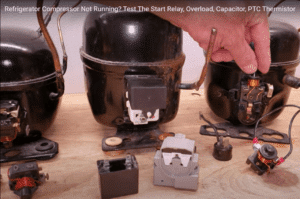 A problematic start relay is another common problem homeowners will have with freezers.This part of the freezer is responsible for providing power to the compressor. You can locate the compressor at the back of the unit, usually near the bottom.Failure in the start relay means that the compressor will also not run. With the compressor not working as it should, then obviously your freezer will also not be able to cool. If that happens, then you need to contact your residential freezer technician to come and repair it. For the repairman to be able to inspect the start relay , he will have to disconnect the freezer from the power outlet before removing the start relay from the compressor.The technician uses a multimeter for testing the start relay to check for continuity. If the test which is done between the start and run terminals confirms that there is no continuity, the part will require replacement. Sometimes the start relay is burnt and also requires replacement.
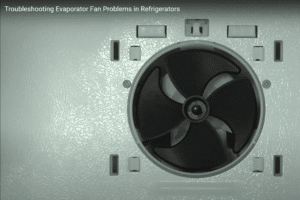 When the evaporator fan becomes defective, that will be another reason why the freezer will just keep running without freezing. The evaporator fan works by moving air over to the condenser coils and dissipating it throughout the unit. But when the evaporator fan motor fails to operate in that manner, the freezer will not cool. When that happens, it becomes necessary to get professional freezer repairs which can easily correct the problem of