Monday, December 2, 2019

How To Replace Your Washing Machine Belt?

Usually, the belt in your washing machine lies between the drum pulley and the motor. It is this part that allows the drum to go round during the washing process. Once in a while, if the drum ceases to turn as it is supposed to, it may indicate that the belt is worn out. Such indications may help you know whether you need to replace the washing machine belt or not. Sometimes, you might even notice the burning smell of rubber, which is usually an indication of a failing machine belt. If you also notice that once you start up the machine, the drum doesn’t rotate, then it means that you need to do some replacement. Once these issues start occurring, you will have to remove the old belt and replace it with another one. There are several places where you can buy the belt, be it in online stores or physical appliance stores. You, therefore, need to know how to put the washing machine belt in the right way, for the machine to resume its normal operations.
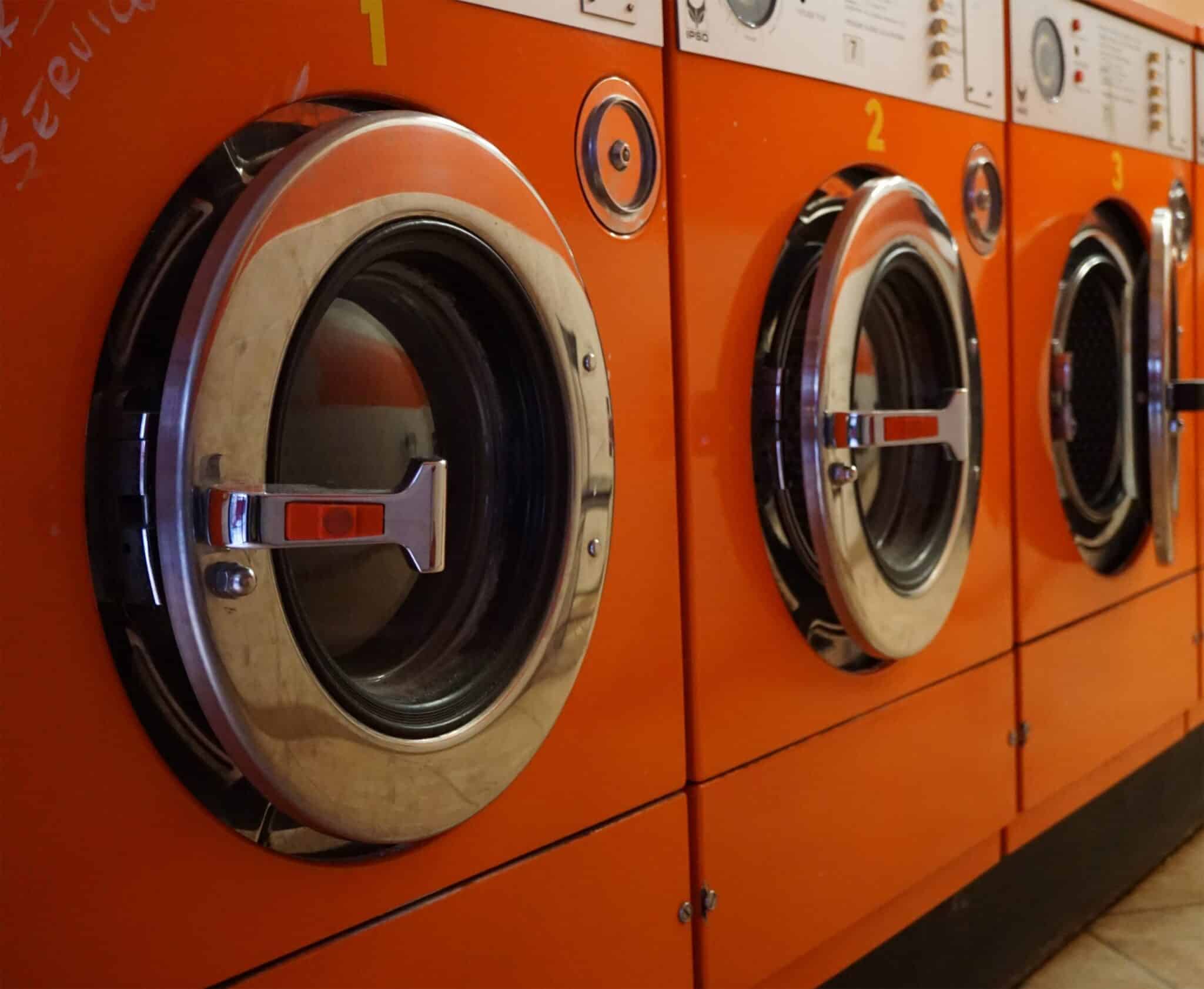
washing machine repair


Prepare The Machine

Before doing any other thing, you need to unplug the washing machine from the power supply. The washing machine uses electricity and trying to replace the belt when the power is still on is dangerous. You will notice that your washing machine needs to be laid on its side for you to access the belt assembly with ease. Laying the machine may be difficult if you are doing it alone. That is why you are advised to get someone to help you during this process. To avoid scratching the machine, ensure you put some old blankets or clothes on the floor before laying the machine.

Replace The Belt

Once you get the right belt for your machine, you need to proceed with the replacement. Your first task should be aligning the belt around the pulley. You want to ensure that the flat side doesn’t face inside.  See to it that the belt’s smooth side is facing out while the grooved side is facing inwards.  Arc the belt over the drum pulley to allow it to fit perfectly into the grooves. As you do this, see to it that the belt hangs flexibly onto the drum pulley. After this step, you want to secure the belt to the pulley with something like a zip tie. The zip tie is usually great because it allows you to stretch a tight belt. Proceed by pulling the end of the belt tightly until it stretches around the motor pulley and fits well into the groove. Slowly spin the drum in a clockwise manner to turn the pulley. The aim is to ensure that the belt aligns on the pulley. If it aligns, cut the zip tie because leaving in inside the machine may cause the belt to slip, which is dangerous.

It is good to know how to replace the belt of your washing machine if you own one. This knowledge is essential because your washing machine may break down once in a while. Use the knowledge above to replace your belt.

Broward County Areas That We Service:

Tamarac, Parkland, Margate, Davie, Plantation, Lauderhill, Cooper City, Lauderdale Lakes, Sunrise, Hallandale, Weston, North Lauderdale, Hollywood FL, Coral Springs, Miramar,Coconut Creek, Deerfield Beach, Lighthouse Point, Pembroke Pines, Pompano Beach, Oakland Park, Dania


from Appliance Experts https://www.appliancerepairfortlauderdalefl.net/how-to-replace-your-washing-machine-belt/
via The Appliance Experts

Thursday, October 10, 2019

Signs That You Are Using Excess Detergent In The Washing Machine

Several washer problems are caused by using too much laundry detergent in the washing machine. Unfortunately, only a few people are aware of this. People tend to assume that the more the soap, the cleaner the clothes will be. You are supposed to put the required amounts of detergent in the washing machine to prevent it from breaking down. If you exceed the maximum amount, it could cause so much foaming that will cause the rubber seals on the door to bust and flood the room you put it. The points that follow show you what happens whenever you put excess detergent in the washing machine.

Beware of the SUD alert or the ND error code that can set off if you put in too much soap in the washing machine. It may also show that the pump is damaged or there is an extra heavy load or excessive suds. The machine and the motor may have to strain if the suds are increased; hence, it may shut off, and therefore, it will not drain. There may be a solution for the latter statement, that may work but only during rare circumstances: clearing the suds and the code by running another cycle but with no soap. The suds may have so much lather. The foam travels up the hose and may end up damaging the switch; hence, you will require services from a professional who deals with washing machines. Stick to the rule and use the right amounts of detergent to avoid such expenditures.

The washer may start smelling funny, and this is because the washing detergent residue may cling with mildew, bacteria, and foul odors. Unfortunately, whenever you put your clothes in the machine, and you fail to remove them after a wash, they automatically end up having pungent odors. Hence one should use only a tablespoon of laundry soap or two if your clothes are entirely soiled to prevent the buildup of foam inside the washing machine. Another alternative may be using Affresh tablets to clean the washer once every month for better results.

If you are an owner of a front-loading washing machine, and you put excess soap in the washer per load, it will accumulate inside the boot. Humidity and soap buildup is a breeding ground for mildew and mold; hence, your clothes will be stained now and then. However, if you happen to smell mildew or see spots on your clothes, you should look at the door boot. The door boot may require to be cleaned thoroughly or replaced if there is the presence of mildew.

The points above have outlined various signs on the effects of using a lot of detergent in a washing machine. It is therefore advised to use the right amount, to avoid these effects. Based on the type of washing machine you are using: traditional or high-efficiency washers ensure that you use the expected detergent and follow the instructions to the latter as well as use the right amounts of soap in every wash.


Broward County Areas That We Service:

Lauderdale Lakes, North Lauderdale, Coral Springs, Miramar, Margate, Pembroke Pines, Dania, Tamarac, Parkland, Coconut Creek, Cooper City, Deerfield Beach, Lighthouse Point, Pompano Beach, Oakland Park, Davie, Plantation, Sunrise, Lauderhill, Hollywood FL, Weston


from Appliance Experts https://www.appliancerepairfortlauderdalefl.net/signs-that-you-are-using-excess-detergent-in-the-washing-machine/
via The Appliance Experts

Wednesday, April 24, 2019

Here’s What To Do If Your Oven Won’t Start

kitchen oven

Getting up in the morning to use your oven or using it to make dinner is something everyone does. This is why it can be stressful when it doesn’t start. So, what to do if your oven won’t start? There are a few things you can try.

Check these things when your oven not working:


How To Fix Oven Fuses

There are ovens that have internal fuses and if those fuses blow, then your oven won’t start. The good news is replacing a fuse is easy, and knowing whether or not you have a blown one is easy. An oven will usually have an indicator that tells you that a fuse has blown or something is wrong with it. Before you replace a fuse, make sure you inspect the oven because another issue might be the cause of the oven not starting. Do make sure you turn the oven’s power source off before replacing the fuse. After replacing it, turn the source back on and see if the oven starts. If oven doesn’t start, then check to make sure you replaced the right fuse.  

The Spark Electrode

kitchen oven applianceIf you have a gas oven, then the spark electrode might be the reason why your oven won’t start. This component is what ignites the gas in your oven, and if it is damaged, then it can become faulty. Only the tip has to be damaged or the casing in order to cause the oven not to start. Don’t panic if the spark electrode is the cause, as this is a quick and easy fix. All you have to do is buy a new spark electrode and replace the old one with it. This should fix the problem, but do compare a few electrodes before deciding which one to purchase. You want to choose a high quality electrode, otherwise you run the risk of it failing you in the near future.  

Oven Broiler Not Working

At the top of your oven is where you’ll find a broil element. This is the part that produces high heat for broiling. If this element has malfunctioned or isn’t working, then your oven won’t work properly, including not turning on. Take a look at the element to ensure it looks normal. If it has visible damage, then try replacing it to see if this fixes the issue. Make sure the appliance is disconnected from the power source before you replace the broil element. If you’re not sure how to replace it, then contact an appliance repair company and they’ll do it for you.  

Electric Oven Sensor Element

Modern electric ovens sometimes come equipped with a sensor. Check the sensor to see if something is wrong with it. If there is, replacing or repairing it should fix the issue. However, hire an expert to inspect the sensor if you’re not sure how to do it. If your oven won’t start, then make sure you try the above. If none of them work, then hire an appliance repair professional or you can purchase a brand new oven. Remember, not all problems with your oven can be fixed, which is why replacing it might be the only option you have.


Broward County Areas That We Service:


Parkland, Coconut Creek, Deerfield Beach, Lighthouse Point, Pompano Beach, Oakland Park, Davie, Plantation, Sunrise, Lauderhill, Hollywood FL, Weston, Cooper City, Lauderdale Lakes, North Lauderdale, Coral Springs, Miramar, Margate, Pembroke Pines, Dania, Tamarac


from Appliance Experts https://www.appliancerepairfortlauderdalefl.net/heres-what-to-do-if-your-oven-wont-start/
via The Appliance Experts